Introduction: The Unsung Hero of the Indian Economy – Jute
India’s economy is a vibrant mosaic of industries, agriculture, and services, but there are certain sectors that often go unnoticed. One such sector is the jute industry, which has been an integral part of India’s economic fabric for centuries. Despite its significance, jute is often overshadowed by other crops like cotton or wheat. However, the contributions of jute to the Indian economy are both substantial and unique.
In this blog, we will explore the multifaceted role of jute in India’s economy, its historical background, current relevance, and the challenges and opportunities the industry faces today. From rural employment generation to environmental sustainability, jute’s impact is far-reaching.
1. What is Jute? Understanding Its Importance in India
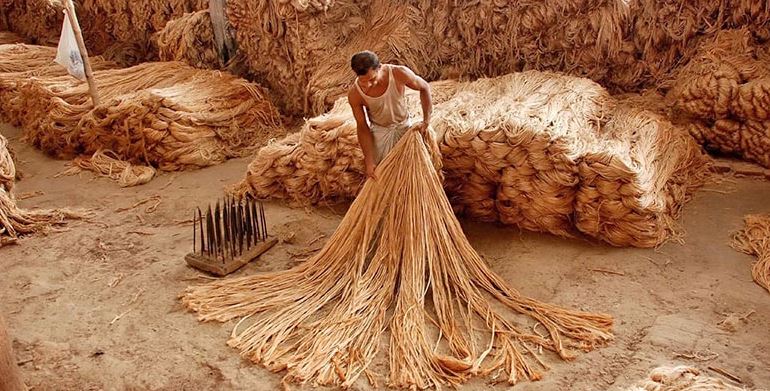
Jute is a natural fiber obtained from the plant Corchorus and is primarily used for making products such as sacks, ropes, bags, and other textiles. Known as the “golden fiber” because of its golden-brown color, jute is one of the most affordable and eco-friendly materials available in the world.
India is the largest producer of jute globally, contributing to over 50% of the world’s jute production. The major states involved in jute cultivation include West Bengal, Assam, Odisha, Bihar, and Andhra Pradesh.
Keywords: Jute in India, Golden fiber, Jute production in India
2. Historical Significance: The Roots of Jute in Indian Economy
Jute has a long-standing history in India, dating back to ancient times. The cultivation and usage of jute were prevalent in the Indian subcontinent long before it became a global commodity. By the 19th century, during the British colonial era, the demand for jute products, especially for the textile and packaging industries, increased significantly.
The British established jute mills in Bengal, especially in Calcutta (now Kolkata), which became the center of the global jute industry. Post-independence, India continued to maintain its position as a global leader in jute production.
Keywords: History of Jute, Jute mills in India, Jute industry colonial era
3. Economic Contribution of the Jute Industry in India
The jute industry is one of India’s oldest industries, and it continues to provide significant economic value today. Let’s take a closer look at the key economic contributions of jute to India:
A. Employment Generation
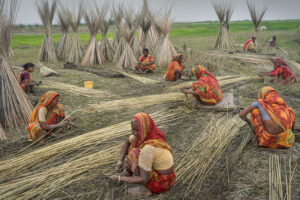
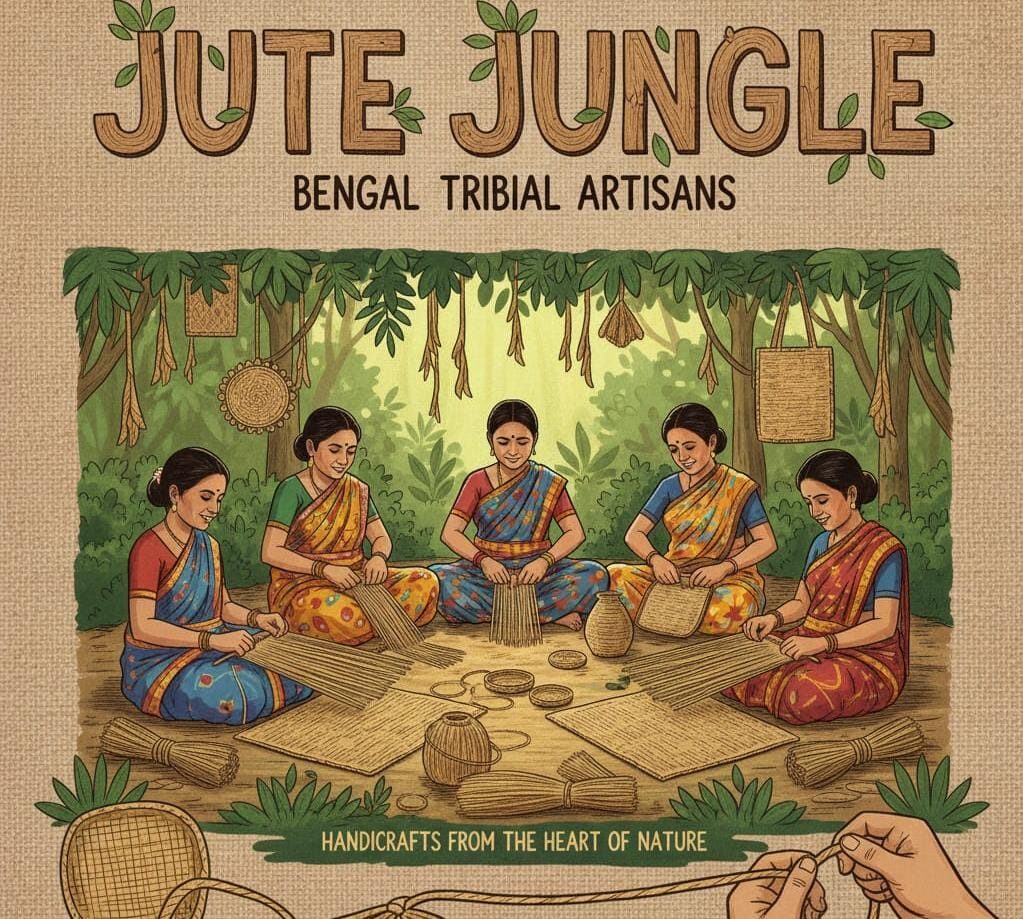
The jute industry is a significant source of employment, especially in rural areas. Millions of farmers, laborers, and artisans depend on the jute industry for their livelihood. According to estimates, over 4 million people are directly employed in the jute sector, with many more indirectly relying on it for income.
B. Contribution to India’s GDP
The jute industry contributes approximately ₹10,000 crore annually to India’s GDP. This figure includes the value generated by jute cultivation, processing, export, and allied activities. The sector also supports various micro and small enterprises, further boosting India’s economy.
C. Exports and Global Trade
India is not only the largest producer of jute but also one of the top exporters of jute products. The country exports jute bags, sacks, and other products to more than 100 countries around the world, earning valuable foreign exchange. In recent years, the demand for eco-friendly jute products has increased globally, further benefiting India’s export sector.
Keywords: Employment in Jute Industry, Jute export, Jute industry GDP contribution
4. Sustainability and Jute: The Eco-Friendly Alternative
As the world grapples with environmental challenges such as plastic pollution and unsustainable manufacturing practices, jute has emerged as a sustainable alternative. Jute is biodegradable, renewable, and has minimal environmental impact compared to synthetic fibers like nylon and polyester.
In India, jute-based products are increasingly being used as eco-friendly alternatives to plastic, especially in packaging, shopping bags, and even fashion accessories. The Indian government has also launched various initiatives to promote the use of jute, such as the mandatory use of jute packaging for food grains and sugar.
A. The National Jute Policy
In 2005, the Indian government introduced the National Jute Policy, which aimed to promote the growth of the jute industry, improve its global competitiveness, and ensure that jute-based products are widely used in various sectors. This policy has contributed significantly to the revival and growth of the jute sector.
Keywords: Jute and sustainability, Eco-friendly jute products, National Jute Policy
5. Challenges Faced by the Jute Industry in India
While jute remains an essential part of the Indian economy, the sector faces a variety of challenges:
A. Declining Productivity
The productivity of jute farming has declined over the years due to factors such as outdated farming practices, insufficient access to quality seeds, and changing climatic conditions. This has made it harder for farmers to remain profitable.
B. Competition from Synthetic Alternatives
The rise of synthetic fibers like polypropylene and plastic has led to a decline in the demand for jute products in certain markets. Despite its eco-friendly nature, jute still faces stiff competition from cheaper synthetic materials.
C. Lack of Modernization in Mills
Many of India’s jute mills still rely on outdated machinery, which leads to inefficiencies in production. The lack of modernization affects the quality and competitiveness of Indian jute products in the global market.
Keywords: Challenges in Jute Industry, Jute farming decline, Synthetic fiber competition
6. Opportunities for Growth in the Jute Sector
Despite these challenges, the future of the jute industry in India looks promising. Several opportunities exist for growth:
A. Innovation in Jute Products
There is a growing market for innovative and high-quality jute products, including jute-based fashion accessories, home decor items, and even jute-based building materials. The potential for expanding the use of jute beyond traditional sectors like packaging is enormous.
B. Government Support and Initiatives
The Indian government continues to support the jute industry through various initiatives, such as subsidies for farmers, tax incentives for jute manufacturers, and the promotion of jute as a sustainable alternative to plastics.
C. Export Potential
With the global shift toward sustainability, the demand for eco-friendly jute products is expected to grow. India’s strong position in the global jute market provides a significant opportunity for expanding exports.
Keywords: Jute industry growth, Jute innovation, Export potential in Jute
7. Conclusion: Jute’s Future in the Indian Economy
Jute, though often overshadowed by other sectors, continues to be an important contributor to the Indian economy. Its role in generating employment, contributing to GDP, and promoting sustainability is invaluable. However, the industry must overcome challenges such as declining productivity, competition from synthetic fibers, and outdated infrastructure.
By embracing modernization, innovation, and government support, the Indian jute industry has the potential to grow exponentially in the coming years. With the global demand for sustainable products on the rise, jute stands poised to play a pivotal role in both India’s economy and the world’s efforts toward environmental sustainability.
Keywords: Jute industry future, Indian economy sustainability, Jute export growth
FAQs on Jute’s Role in Indian Economy
Q1: What are the main jute-producing states in India?
India’s major jute-producing states are West Bengal, Assam, Odisha, Bihar, and Andhra Pradesh. West Bengal, in particular, is home to the largest number of jute mills.
Q2: How does the jute industry impact rural employment in India?
The jute industry provides employment to millions of rural workers, including farmers, laborers, and factory workers. It is particularly vital for the livelihoods of people in rural Bengal.
Q3: What are the health benefits of using jute-based products over synthetic materials?
Jute is biodegradable, non-toxic, and free from harmful chemicals, making it a safer and healthier alternative to synthetic materials like plastic, which can leach toxic substances.