Author: Pritam Chakraborty
Introduction: The Rich Heritage of Jute in India
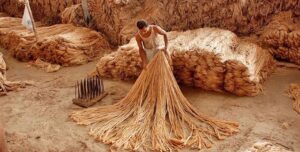
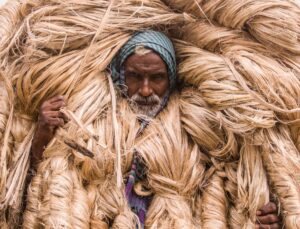
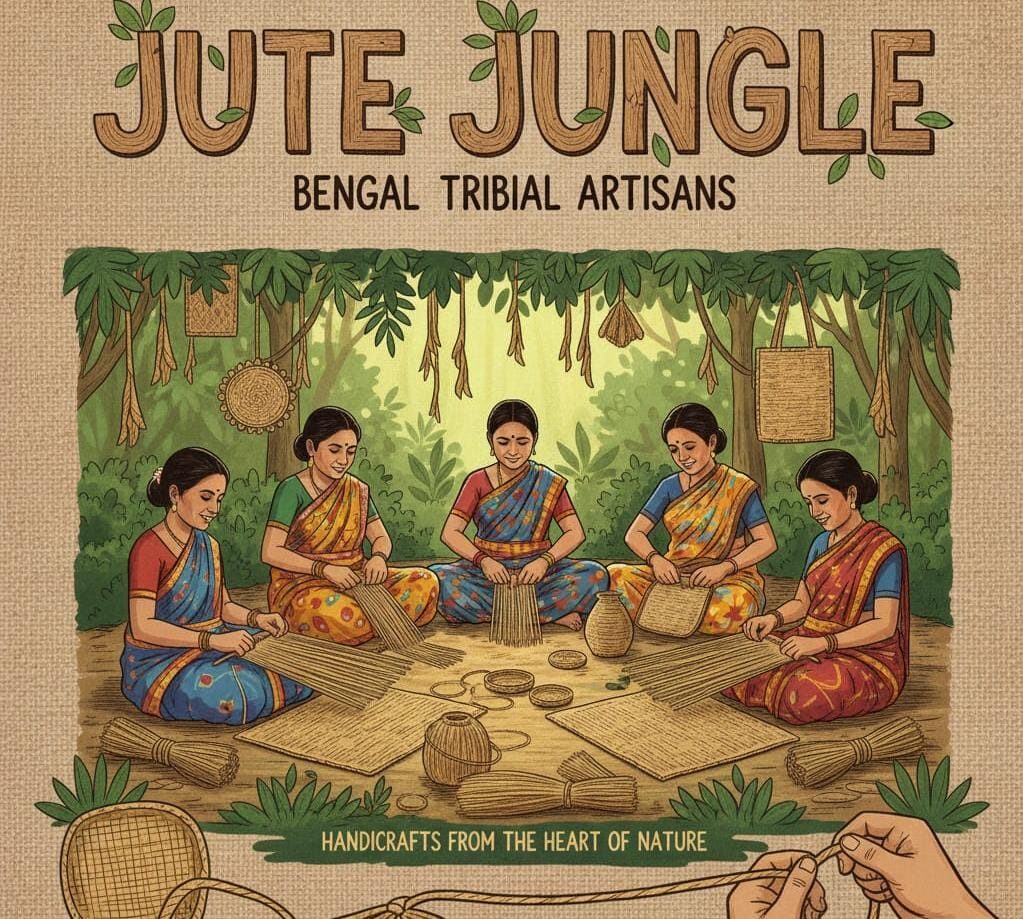
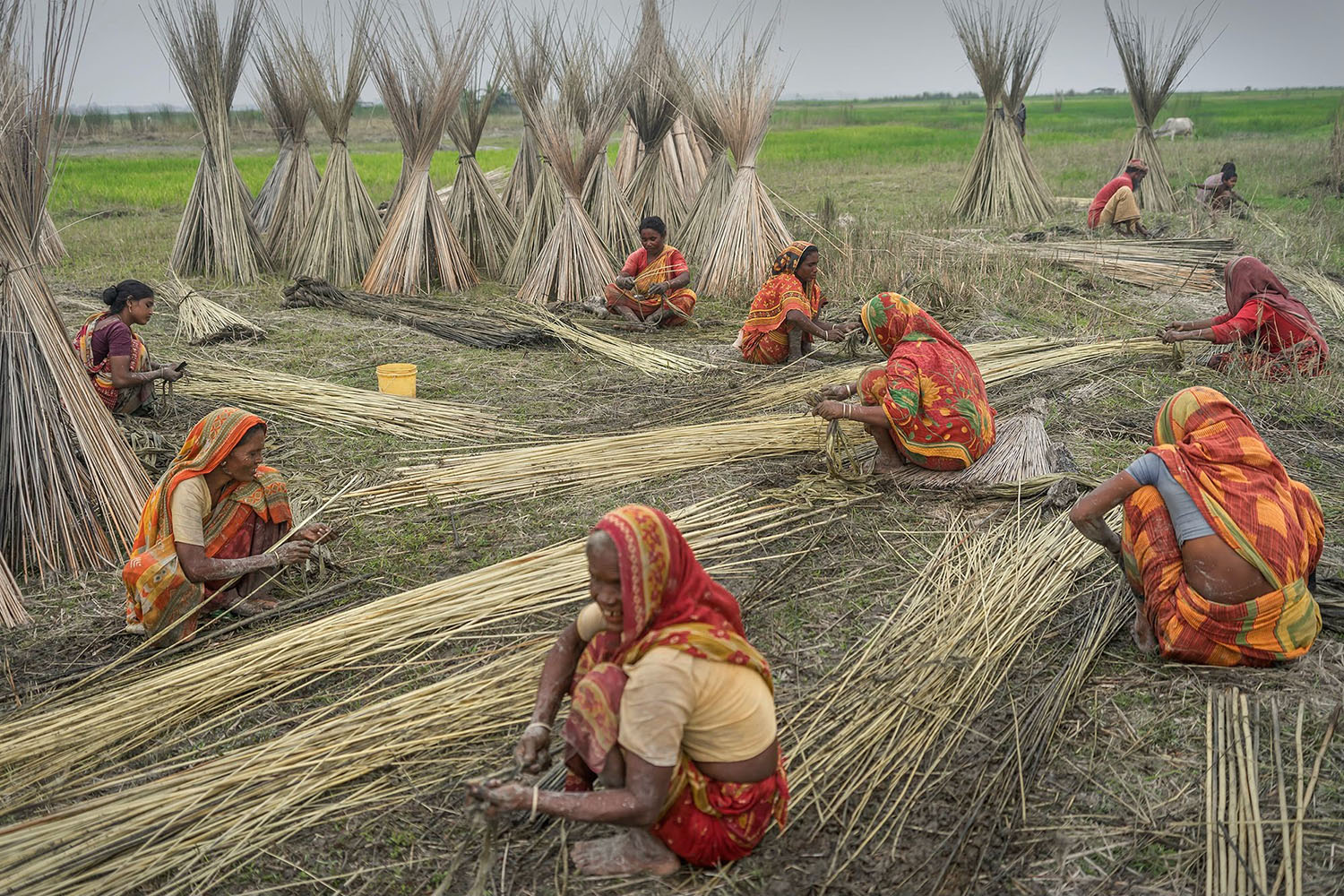
Jute, often referred to as the “Golden Fiber,” holds a crucial place in the cultural, economic, and historical tapestry of India. With its versatile uses, from ropes and bags to textiles and mats, jute has contributed significantly to the socio-economic growth of the country. But what is the story behind this invaluable fiber? This blog explores the research history of jute and its deep-rooted connection with India, shedding light on its origins, production, and its impact on India’s industrialization and global trade.
The Origins of Jute: Tracing the Fiber’s Roots
Jute, scientifically known as Corchorus (from the Corchorus genus), is a long, soft, and shiny fiber obtained from the bark of two plants: Corchorus capsularis and Corchorus olitorius. Though jute is native to several regions across Asia, it is India and Bangladesh that have been central to its cultivation and commercialization.
The first known use of jute dates back to ancient India, where it was used for crafting textiles and ropes. Ancient manuscripts and records indicate that jute was woven into fabric and used for making sails, bags, and fishing nets. However, the widespread use of jute, particularly as an industrial product, began during the British colonial era in the 19th century.
The Industrialization of Jute in Colonial India
The real turning point in the history of jute in India came with the advent of British colonial rule. During the 19th century, jute cultivation was expanded in Bengal (now Bangladesh and West Bengal). The fertile soil of the Hooghly River delta provided an ideal environment for cultivating jute, and soon, the crop became a major source of income for farmers in the region.
In the early 1800s, the British recognized jute’s potential as a raw material for the growing industrial economy. The first jute mills were established in the Bengal region, with the earliest known jute mill set up in Rishra, near Calcutta (now Kolkata), in 1855. The mills used jute to produce a range of products including sacks, ropes, and textiles, which became highly sought after in global markets.
The rise of the jute industry coincided with the expansion of the British Empire’s trade networks, and Kolkata soon emerged as the hub for global jute manufacturing. By the 20th century, India, particularly Bengal, had become the largest producer of jute in the world.
Jute and India’s Post-Independence Era
After India gained independence in 1947, the jute industry underwent significant transformation. The sector became vital for the economy, providing employment to millions and contributing to India’s export revenue. During the 1950s and 1960s, India’s jute industry experienced rapid growth, and Kolkata remained the center of jute production.
One of the most significant milestones in post-independence India was the establishment of the National Jute Board in 1987. This government body was responsible for promoting the jute industry, improving quality standards, and conducting research to enhance jute’s versatility. The importance of jute became increasingly apparent as it gained recognition for being an eco-friendly alternative to synthetic fibers like plastic and nylon.
India’s jute industry faced challenges in the late 20th century with the rise of synthetic fibers and competition from other countries. However, jute remained an essential part of the economy, especially in rural areas where jute cultivation provided livelihoods for millions of farmers.
Jute Research and Innovation in India: A Modern Perspective
The role of research in enhancing the quality and utility of jute cannot be overstated. Over the decades, India has made significant strides in jute research, focusing on improving crop yields, disease resistance, and processing methods. Several agricultural universities and research institutes, such as the Jute Agricultural Research Institute (JARI) in Kolkata, have contributed immensely to the advancement of jute farming techniques.
Key areas of research in jute include:
- Genetic Improvement: Scientists have worked to develop high-yielding, disease-resistant varieties of jute. Improved varieties are more resistant to pests, ensuring better yields and reducing the dependency on chemical pesticides.
- Sustainability: With increasing global concerns over environmental issues, India has been at the forefront of promoting jute as an eco-friendly alternative to plastic. Research has focused on developing biodegradable packaging solutions, textiles, and building materials made from jute.
- Innovative Products: Researchers have also explored new uses for jute, including its application in medical and biotechnological fields. For example, jute’s natural properties make it an ideal material for bio-degradable wound dressings and other medical products.
- Improved Processing Technologies: The development of modern machines for processing jute has helped reduce production costs and enhance the quality of finished products. Innovations in weaving and spinning technologies have made it possible to create finer, stronger, and more versatile jute fabrics.
The Global Significance of India’s Jute Industry
India’s role in the global jute industry remains pivotal. As of recent years, India is the world’s largest producer and exporter of jute products, accounting for nearly 50% of global production. The country’s jute products, especially sacks, bags, and textiles, are in high demand worldwide, particularly in the agricultural and packaging sectors.
In addition to being an export powerhouse, India also leads in the promotion of jute as an eco-friendly alternative to plastics. In line with global sustainability goals, India has been actively involved in international initiatives to promote the use of natural fibers. The Indian government has also introduced policies to ensure the growth and development of the jute sector, such as subsidies for farmers and incentives for industries to use jute over synthetic materials.
Challenges Facing the Jute Industry in India
Despite its long history and importance, the jute industry in India faces several challenges:
- Competition from Synthetic Fibers: The rise of synthetic fibers, such as polypropylene and nylon, has posed a threat to the jute industry. These materials are cheaper to produce and more durable, which has led to a decline in demand for jute-based products.
- Climate Change: Jute is a crop that thrives in specific climatic conditions, and changes in weather patterns, particularly unpredictable rainfall, have impacted jute cultivation. This poses a long-term threat to the sustainability of jute farming.
- Aging Infrastructure: Many of the jute mills in India still use outdated machinery, which impacts productivity and quality. Modernizing these facilities and adopting new technologies is crucial for the industry’s competitiveness.
- Market Access and Export Barriers: Despite the high demand for jute products in international markets, Indian exporters face challenges such as high tariffs, trade barriers, and fluctuating global demand, which can disrupt the industry’s growth.
Conclusion: A Bright Future for Jute in India
Jute’s long history and evolving role in India offer hope for a bright future, provided the challenges it faces are addressed. The government, alongside private-sector players, must continue to invest in research and development to ensure the sustainability of the jute industry. Additionally, as the world shifts towards sustainability, India’s expertise in jute production could play a significant role in shaping global trends in eco-friendly materials.
As a country with a deep connection to jute’s history, India is poised to remain at the forefront of the jute industry, continuing its legacy as the “Golden Fiber” of the modern world